Jointing, repair and surface treatmentConcrete or asphalt? We’ll ensure a perfect result
A dedicated department within ÖBA specialises in joint, repair and surface technology (FIO). Every year, in our road construction work, we seal joints which – if laid end to end – would stretch for around 1,000,000 metres, and we replace approximately 10,000 m² of concrete surfacing with rapid-setting concrete.
Areas
© PORR
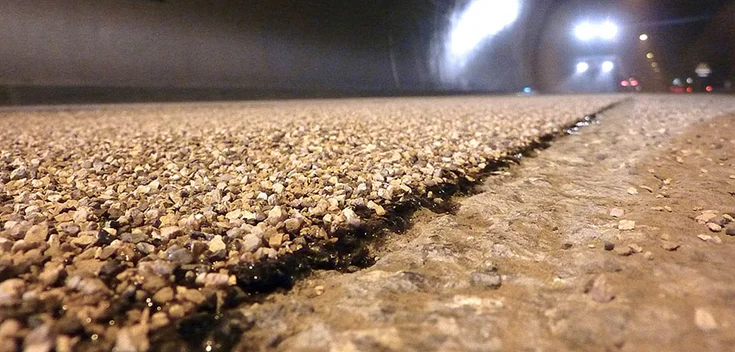
Surface protection coatings with EP-Grip
To improve the skid resistance of a road surface, we apply a protective layer of epoxy resin (EP) and a special hard aggregate to its surface. The colour of the special aggregate makes the road surface lighter, thereby enhancing safety in two ways – particularly in tunnels.
© PORR
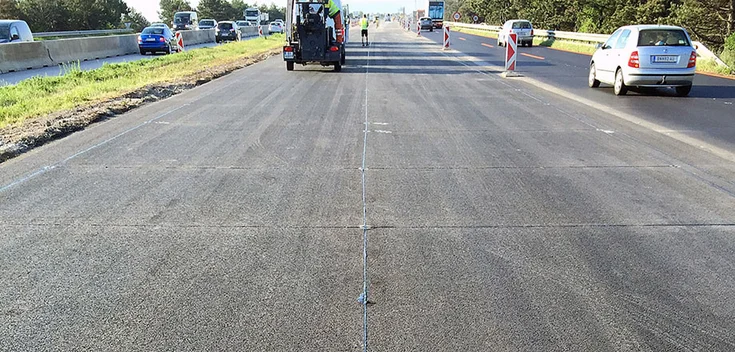
Joints in asphalt and concrete
Well-executed joints and high-quality filling material significantly extend the service life of roads and thus help to maintain the value of the infrastructure.
© PORR
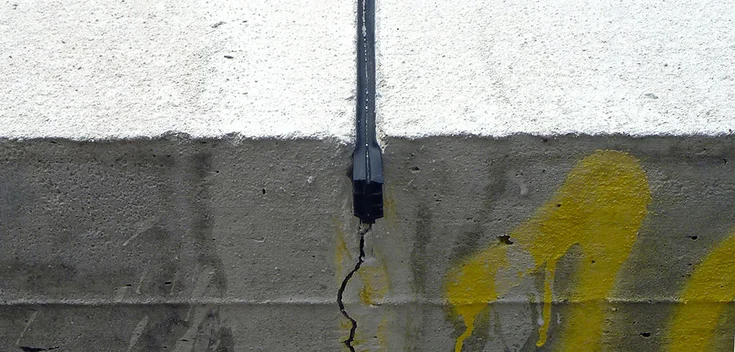
Joint sealing with hot-pouring compound, cold-pouring compound & joint profiles
On asphalt and concrete surfaces, sealing the joints with the correct filler prevents frost damage and corrosion on concrete surfaces.
© PORR
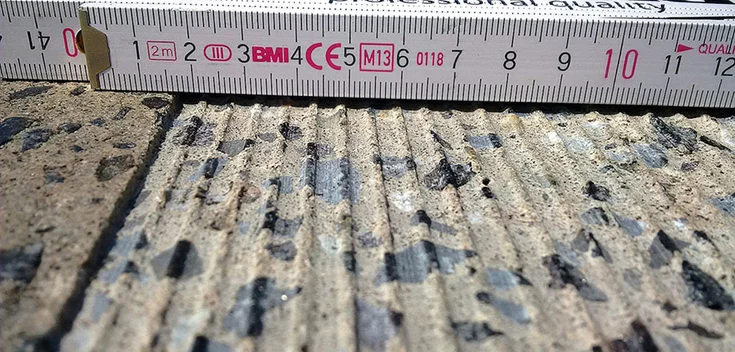
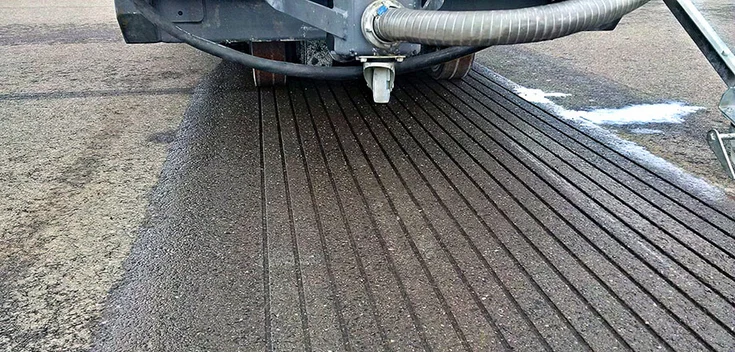
Grinding
Grinding involves sanding down uneven areas on a surface or cutting patterns into it. The process improves the grip of the surface whilst reducing noise levels.
© PORR
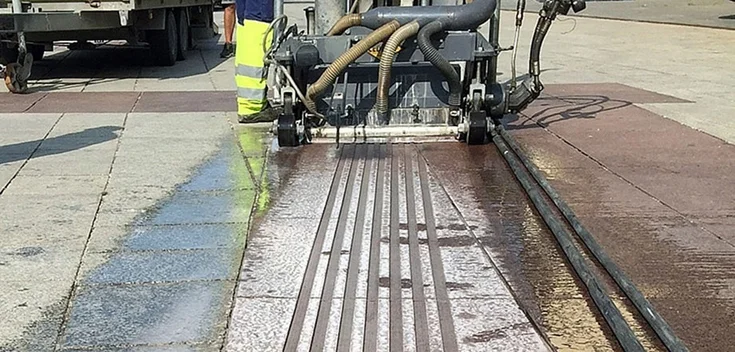
Grooving
To ensure that surface water drains away quickly from the road surface, grooves are cut into the road surface during grooving. Aligned in the direction of travel, they reduce noise levels.
© PORR
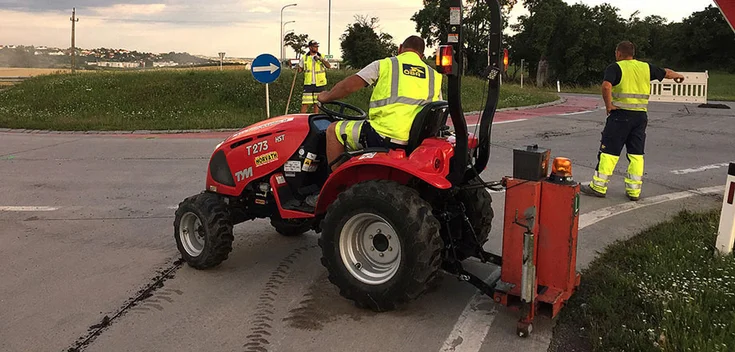
Guidance systems for the blind
Tactile guidance systems milled into existing surfaces ensure accessibility on railway platforms, pavements and other heavily used pedestrian areas.
© PORR
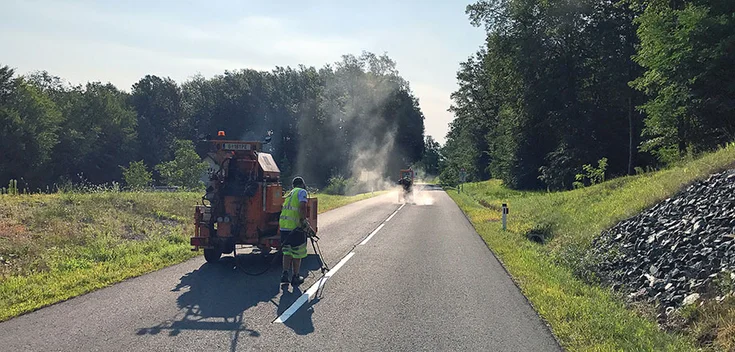
Joint repair
If the elastic joint filler becomes leaky due to weathering, it must be carefully removed and replaced.
© PORR
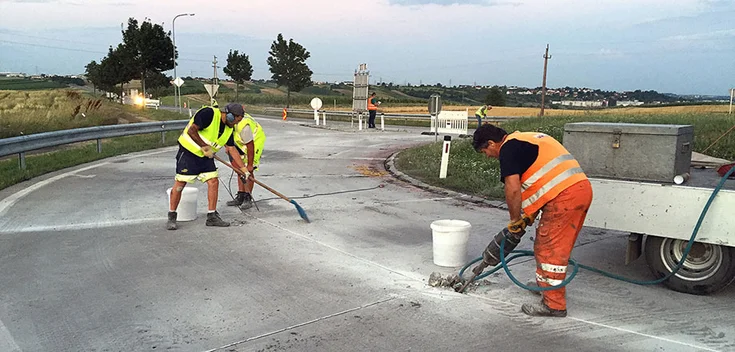
Rehabilitation of cracks in concrete and asphalt surfaces
Cracks in concrete and asphalt do not necessarily mean that a road needs to be completely resurfaced. Often, it can be repaired in specific areas. This helps to avoid high costs. To do this, the cracks are first cut open cleanly and sealed with joint sealing material; broken concrete surfaces are also anchored and dowelled.
© PORR
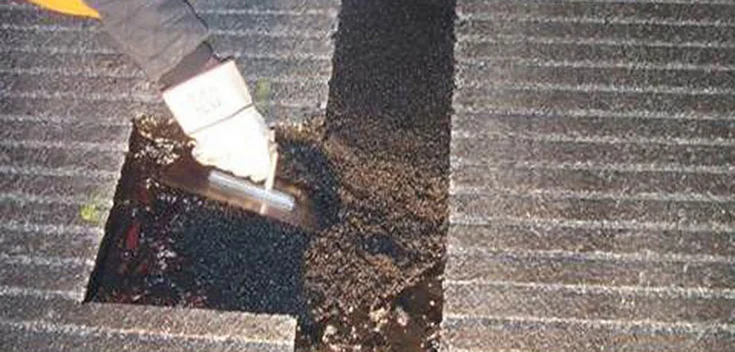
Concrete slab renovation
Concrete spalling usually manifests itself as damage to the edges of concrete slabs. Damaged slabs can be repaired quickly and efficiently using fast-setting repair mortar.
© PORR
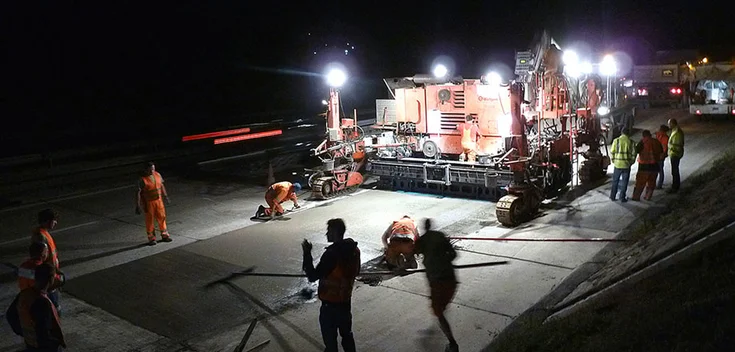
Rehabilitation of potholes in asphalt
When performing rehabilitation of potholes in asphalt, the damaged surface is chiselled out, cut away and filled with special rehabilitation asphalt.
© PORR
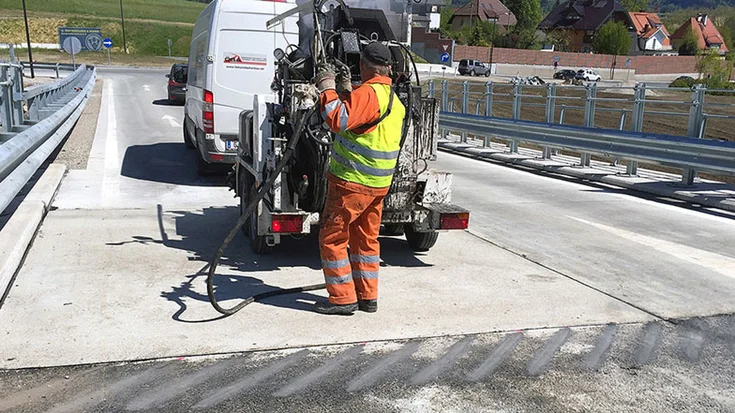
Rapid-setting concrete in road construction
It is not only asphalt but also concrete that can be laid quickly in road construction. ÖBA uses fast-setting concrete with setting times of two to six hours, enabling it to lay concrete surfaces of up to 300 m² in a single night shift.
© PORR
Support ribs
Particular stress is placed on those sections of the road where the asphalt surface meets the concrete surface, as well as at the junctions in road transition structures, known as expansion joints. We reinforce these weak points in the asphalt using support ribs made of special mortar.
© PORR
Underfloor heating
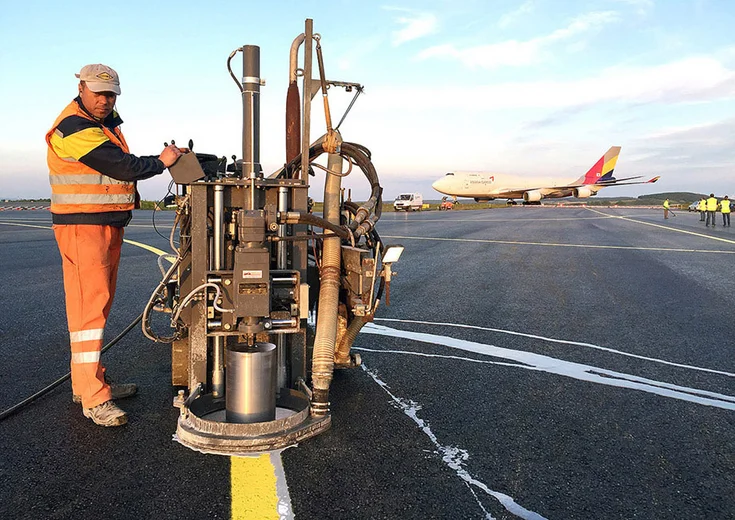
Ground-level lights, or ‘surface lights’, can be found on runways, taxiways as well as on aprons at airfields. They are installed almost flush with the ground and serve as an important navigational aid for pilots when manoeuvring on the ground.
Your point of contact for jointing, repair and surface treatment